Schaefer Brush’s “Number One Priority”
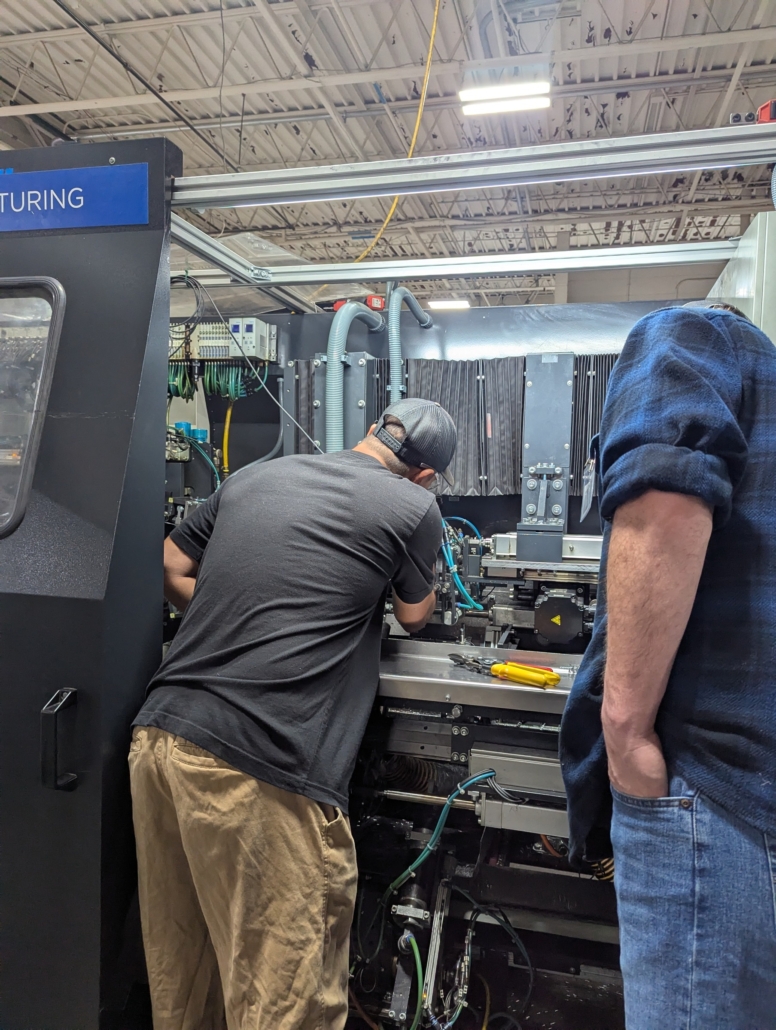
What is our Safety Culture like?

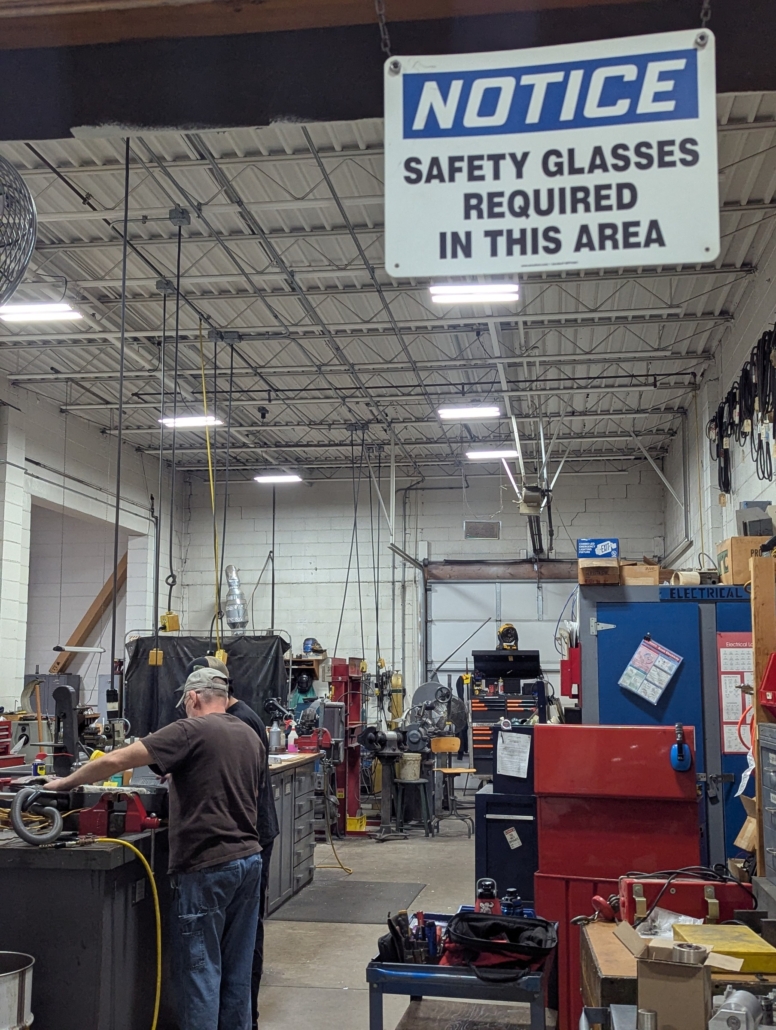
Schaefer Brush’s approach to safety in the workplace is inclusive and adaptive, meaning anyone can have a positive impact on safety at any given time. The safety culture in the workplace is set up so that any employee can bring up a concern or suggestion for improvement whenever they feel it is needed.

However, safety in the workplace is never quite perfect. As the business grows and the number of machines in the building increases, the safety of the building must be constantly assessed, taking in factors like noise, walking room, and the ability to view signs that indicate any tools that may be needed in case of an emergency.

Overall, the approach to safety at Schaefer Brush is constantly working towards improvements. This is why Engineering and Quality Manager, Erin Clay, describes safety in the workplace culture as our “Number one priority.”

How are we Constantly Improving Safety in the Workplace?

Again, anyone can have a positive impact on safety. If an employee has specific questions or concerns about their safety or others, our team at Schaefer Brush immediately gets to work to improve the workplace as soon as possible. Our employees have a big say and take responsibility to report problems they may have. The culture of safety within Schaefer Brush makes sure no one is scared to speak up about a suggestion that could remove the possibility of an injury.

Erin Clay states, “We try hard to address issues right away”

Why does Effective Training Matter?

An effective process of training both new and existing employees has been cautiously thought through. As soon as a new worker starts their first day, they are given a basic building safety tour and emergency procedures walk through. They are shown where all fire extinguishers, eye wash stations, exits, and severe weather shelters are. Some employees are trained in forklift, fire extinguisher, chemical, and electrical safety as well. Each machine operator also is trained specifically for each machine that they will be operating, to prevent any confusion that risks injury.

Refresher training is also provided for forklifts and fire extinguishers when required. General safety refreshers are provided to employees when needed, if there are ever concerns with safety risks or corners being cut.

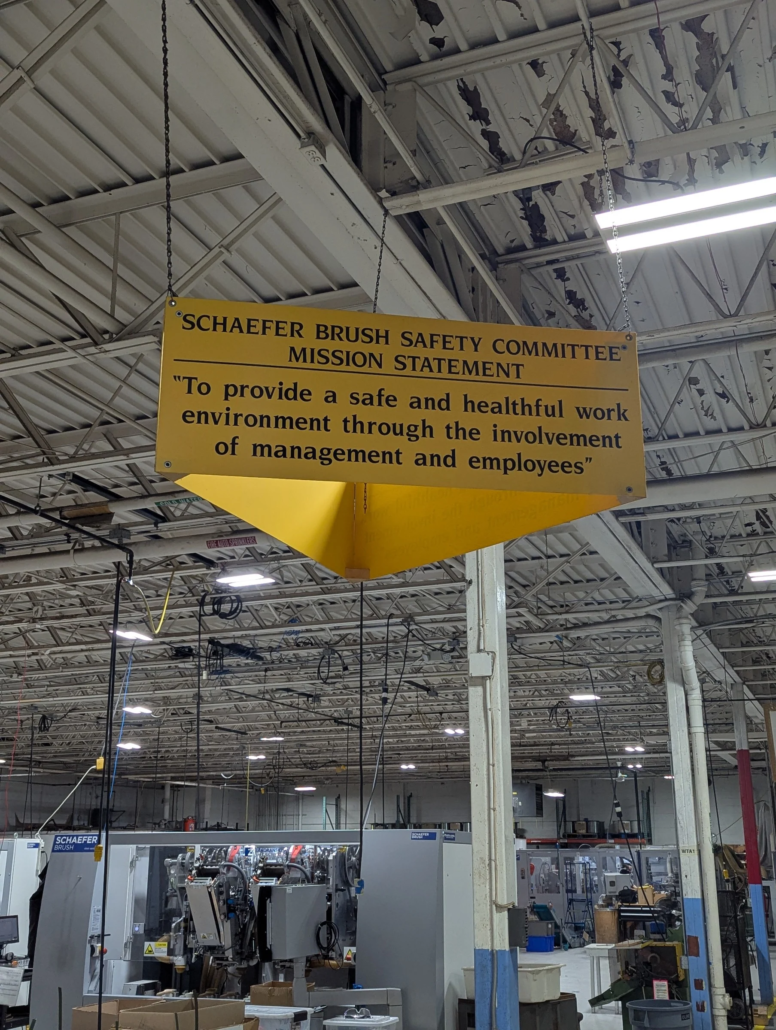
SAFETY COMMITTEE MISSION STATEMENT

“To Provide a Safe and Healthful Work Environment through the Involvement of Management and Employees”

Schaefer Brush Series 8138 Overview

Welder Brushes made in America used for a variety of industrial tasks.

What is the 8138 Series?

The 8138 series is a series of welder brushes with different filament materials that each serve a different purpose. Each plastic handle is filled with wire filament and stapled to the head of the brush on one side.

Schaefer Brush is a leading American manufacturer of these brushes. This machine can make 10,000 brushes per shift. The plastic handles with ergonomic finger grooves make the handle ideal for grip and precision in harder to reach areas. This design factor is important because welding brushes need stability and precision for the jobs they are used in.

What different Filament Types are there?

There are 7 different filament types, each serving its own purpose and use in different industries.

  • Aluminum
  • Brass
  • Bronze
  • Carbon Steel
  • Horsehair
  • Nylon
  • Stainless Steel

How do I Match a Filament to a Task?

When selecting a scratch brush filament, consider:

  • Material compatibility (to avoid contamination or damage)
  • Cleaning intensity (light vs. aggressive)
  • Environmental safety (spark risk, corrosion resistance)

Applications of Filaments

Welding brushes are essential tools for surface preparation, cleaning, and finishing in metalworking. The type of filament used in a scratch brush directly affects its performance, durability, and suitability for specific tasks. Here’s a breakdown of common filament types and their best-use scenarios:

  1. Aluminum Wire
    Best for: Lightweight cleaning of non-ferrous metals
    Why use it:
    Softer than steel, reduces surface damage
    Non-magnetic and corrosion-resistant
    Lightweight and easy to handle
    Applications:
    Aircraft and automotive components
    Non-ferrous metal cleaning
    Surface prep without contamination
  2. Brass Wire
    Best for: Gentle cleaning of many metals
    Why use it:
    Softer than steel
    Non-sparking
    Won’t scratch softer metals
    Applications:
    Electrical components
    Soft metal surfaces
  3. Bronze Wire
    Best for: Non-sparking cleaning of soft to medium metals
    Why use it:
    Medium abrasiveness for effective cleaning
    High corrosion resistance
    Conductive but non-magnetic
    Applications:
    Oil & gas equipment cleaning
    Marine surface prep
    Electrical component maintenance
  4. Steel Wire
    Best for: General cleaning of surfaces, light rust and dirt removal, surface preparation
    Why use it:
    Consistent brushing action
    Heat-resistant
    Applications:
    Carbon steel surfaces
    Weld seam cleaning
    Removing paint or rust
  5. Stainless Steel Wire
    Best for: Non-contaminating cleaning on stainless and non-ferrous metals
    Why use it:
    Corrosion-resistant
    Non-reactive with stainless steel
    Maintains surface integrity
    Applications:
    Stainless steel welds
    Aluminum and brass cleaning
    Food-grade and medical equipment prep
  6. Horsehair
    Best for: Dusting, polishing, and fine cleaning
    Why use it:
    Extremely gentle on delicate surfaces
    Non-sparking and non-conductive
    Ideal for organic and sensitive materials
    Applications:
    Glass and wood cleaning
    Soft metal polishing
    Art restoration and optics maintenance
  7. Nylon Filament
    Best for: Light-duty cleaning, polishing, and deburring
    Why use it:
    Flexible and non-abrasive
    Safe for most delicate surfaces
    Applications:
    Plastic and wood surfaces
    Light rust or paint removal
    Surface finishing and prep