Reducing Maintenance Downtime Through Purpose-Built Brush Design

In heavy industrial environments, downtime often traces back to buildup—dust, fines, overspray, or residue accumulating in places that are hard to access and harder to clean once production stops. The right brush selection plays a direct role in preventing these interruptions by enabling frequent, low-impact cleaning that keeps systems operating as designed.

Where Brush Design Makes the Difference

Three common maintenance challenges highlight where brush attributes matter most:

  • Conveyor cleaning in dusty operations
  • Enclosed overhead conveyor systems
  • Condenser tube maintenance

Conveyor Cleaning: Keeping Dust Under Control

SVECO conveyor cleaning systems are designed to clean the top of the belt, the underside, or both. These systems are widely used in mining and bulk-material handling environments where airborne dust and fines settle into moving components.

In these applications, brushes must balance durability with controlled contact. Excessive stiffness increases wear on belts and structures, while insufficient contact allows buildup to continue.

Key brush attributes that reduce downtime:

  • Filament stiffness tuned to dust type: Fine, dry dust requires different resistance than heavier particulate. Filament diameter and material selection determine whether debris is swept away or compacted further.
  • Consistent filament recovery: Brushes that maintain shape over time provide even cleaning pressure, reducing the need for adjustment or replacement.
  • Chemical and abrasion resistance: Mining environments introduce moisture, abrasives, and temperature swings that degrade low-grade materials.
  • Mounting compatibility: Brushes must integrate into existing SVECO frames without introducing alignment or tracking issues.

When brushes are selected for the actual debris profile and belt condition, routine conveyor cleaning can occur during operation, preventing shutdowns caused by excessive accumulation.

Enclosed Overhead Conveyor Systems: Channel Sweeps for Continuous Cleaning

Channel sweeps are purpose-designed by Schaefer Brush to clean enclosed overhead conveyor chain systems. These systems are common in paint lines and finishing operations, where overspray, dust, and residue collect inside enclosed tracks.

Without regular cleaning, buildup inside these channels leads to chain drag, inconsistent movement, and contamination risks downstream.

Design attributes that matter:

  • Profile-matched brush geometry: Channel sweeps are engineered to match the internal dimensions of the enclosure, ensuring contact with accumulation zones while avoiding interference with moving components.
  • Controlled filament density: Dense enough to remove buildup, open enough to prevent clogging.
  • Material compatibility with coatings: Filaments must withstand paint solids, solvents, and temperature exposure without shedding or degrading.
  • Low-maintenance installation: Brushes are positioned for ongoing cleaning as the system runs, reducing the need for manual intervention.

By keeping enclosed channels clear, these brushes prevent the gradual performance loss that often leads to extended line shutdowns.

Condenser Tubes: Protecting Heat Transfer Efficiency

Condenser tube brushes are a straightforward example of downtime prevention through routine maintenance. Heat transfer efficiency declines as scale, biological growth, or debris coats internal tube surfaces. Left unaddressed, this buildup leads to reduced performance, higher energy use, and unplanned outages.

Brush characteristics that support uptime

  • Accurate diameter sizing: Proper tube contact removes deposits without damaging tube walls.
  • Material selection based on tube composition: Brass, stainless, nylon, or specialty filaments are selected to match tube metallurgy and fouling type.
  • Repeatable cleaning performance: Brushes designed for regular use maintain tube cleanliness, extending service intervals and reducing emergency shutdowns.
  • Ease of handling: Straightforward use supports consistent maintenance schedules rather than deferred cleaning.

Downtime Reduction Starts with Brush Design

Across conveyors, enclosed systems, and heat-exchange equipment, the pattern is consistent: brushes designed for the application reduce the need for reactive maintenance. Filament selection, geometry, and material compatibility determine whether cleaning can occur as part of normal operation or only after production stops.

Selecting brushes based on environment, debris type, and system constraints turns maintenance into a preventive process rather than a disruptive one.

Key Factors in Selecting the Right Industrial Brush

1. Operating Environment

Before choosing a brush, we need to understand the conditions it must withstand. This ensures the brush performs well and avoids premature wear or material failure.

Temperature:

o Will it operate in high heat, cold environments, or frequent temperature fluctuations?

o Do heat cycles affect the material’s stability or stiffness requirements?

Moisture level:

o Dry environment, occasional moisture, or continuous exposure?

o Will it be submerged or exposed to steam?

Chemical exposure:

o Are there solvents, sanitation chemicals, resins, oils, acidic cleaners, or CIP cycles involved?

o Which materials must resist corrosion or degradation?

2. Surface Being Cleaned

Understanding the surface guides filament selection, aggressiveness, and brush geometry.

o What material is the surface? (Stainless steel, copper, plastic, ceramic, aluminum, etc.)

o Is the surface smooth, polished, soft, or already damaged?

o Does it require gentle treatment, or can it tolerate an aggressive filament?

Example: For stainless steel pipes in plastic extrusion, a clean, polished surface prevents plastic from sticking. If the pipes are in good condition, brass filaments protect the finish. If the surface is already badly scratched or worn, stainless steel filaments may be more effective

3. Material Being Removed

The type of debris directly influences filament stiffness and brush style.

o What is being cleaned off the surface?

· Burnt plastic, carbon, powders, oxidation, metal fines, grease, residue, scale, etc.

o Is the residue soft or hardened?

o Is repeat buildup expected?

4. Contamination Concerns

Some applications require strict control over what the brush leaves behind.

o Do we need to prevent metal transfer, shedding, or cross-contamination?

o Will trace metal from the brush interfere with the process?

o Are there sparking concerns?

· If a spark-free environment is required, only select non-sparking materials such as brass, phosphor bronze, certain polymers, or natural fibers.

5. Regulatory or Safety Requirements

Some industries restrict what materials can be used.

o Food-contact or food-adjacent applications:

· Only certain filaments and core materials are appropriate.

· Stainless steel, specific nylons, and FDA-compliant materials may be required.

o Hazardous environments:

· Non-sparking materials may be mandatory.

o Static-sensitive environments:

· Conductive or anti-static filaments may be needed.

6. Brush Geometry and Construction

Once the application details are known, geometry can be tailored for performance

o Stem/wire size

o Diameter and overall length

o Filament density

o Trim length

o Aggressiveness vs. surface protection

7. Putting It Together

Brush selection balances all of the above:

o The environment determines what materials will survive.

o The surface determines how gentle or aggressive we can be.

o The material being removed determines filament stiffness and style.

o Safety and regulatory needs narrow down material options.

This is why two applications that look similar often require very different brushes—every detail affects performance, durability, and the quality of the finished surface.

Schaefer Brush’s “Number One Priority”

What is our Safety Culture like?

Schaefer Brush’s approach to safety in the workplace is inclusive and adaptive, meaning anyone can have a positive impact on safety at any given time. The safety culture in the workplace is set up so that any employee can bring up a concern or suggestion for improvement whenever they feel it is needed.

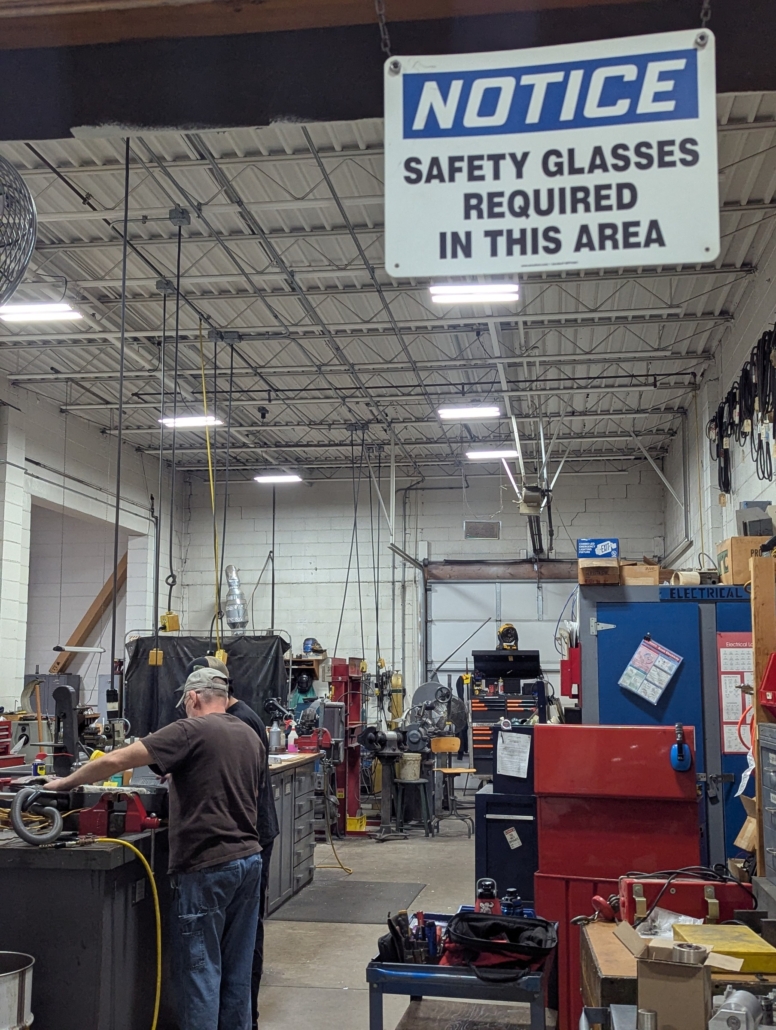
However, safety in the workplace is never quite perfect. As the business grows and the number of machines in the building increases, the safety of the building must be constantly assessed, taking in factors like noise, walking room, and the ability to view signs that indicate any tools that may be needed in case of an emergency.

Overall, the approach to safety at Schaefer Brush is constantly working towards improvements. This is why Engineering and Quality Manager, Erin Clay, describes safety in the workplace culture as our “Number one priority.”

How are we Constantly Improving Safety in the Workplace?

Again, anyone can have a positive impact on safety. If an employee has specific questions or concerns about their safety or others, our team at Schaefer Brush immediately gets to work to improve the workplace as soon as possible. Our employees have a big say and take responsibility to report problems they may have. The culture of safety within Schaefer Brush makes sure no one is scared to speak up about a suggestion that could remove the possibility of an injury.

Erin Clay states, “We try hard to address issues right away”

Why does Effective Training Matter?

An effective process of training both new and existing employees has been cautiously thought through. As soon as a new worker starts their first day, they are given a basic building safety tour and emergency procedures walk through. They are shown where all fire extinguishers, eye wash stations, exits, and severe weather shelters are. Some employees are trained in forklift, fire extinguisher, chemical, and electrical safety as well. Each machine operator also is trained specifically for each machine that they will be operating, to prevent any confusion that risks injury.

Refresher training is also provided for forklifts and fire extinguishers when required. General safety refreshers are provided to employees when needed, if there are ever concerns with safety risks or corners being cut.

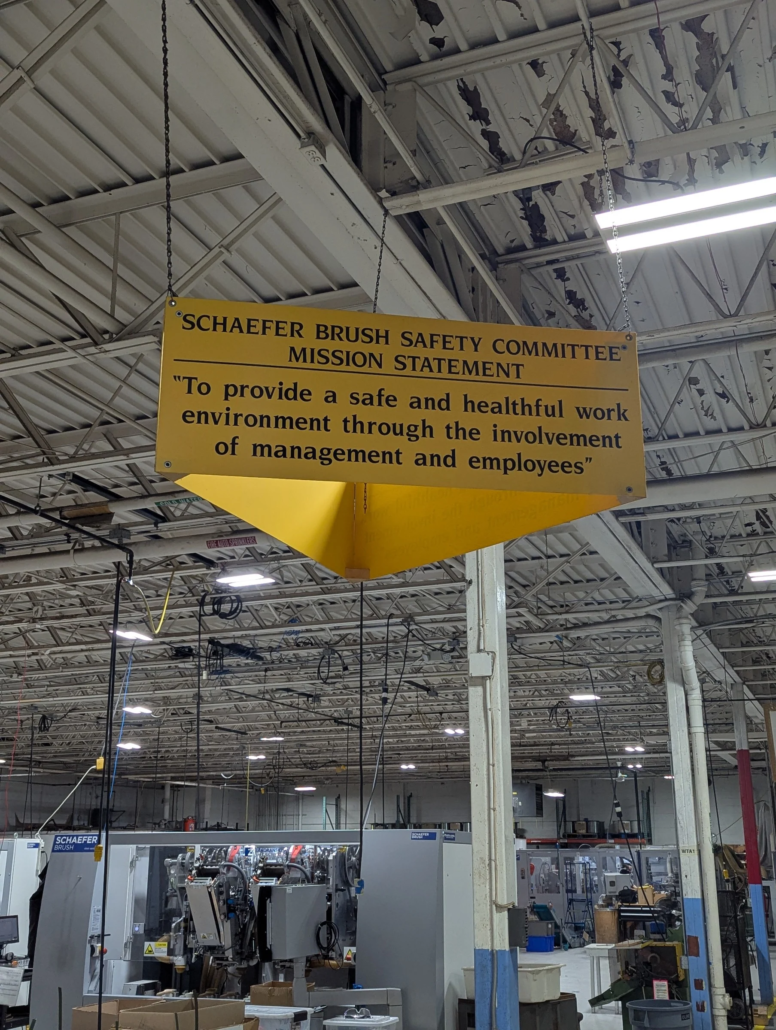
SAFETY COMMITTEE MISSION STATEMENT

“To Provide a Safe and Healthful Work Environment through the Involvement of Management and Employees”

Schaefer Brush Series 8138 Overview

Welder Brushes made in America used for a variety of industrial tasks.

What is the 8138 Series?

The 8138 series is a series of welder brushes with different filament materials that each serve a different purpose. Each plastic handle is filled with wire filament and stapled to the head of the brush on one side.

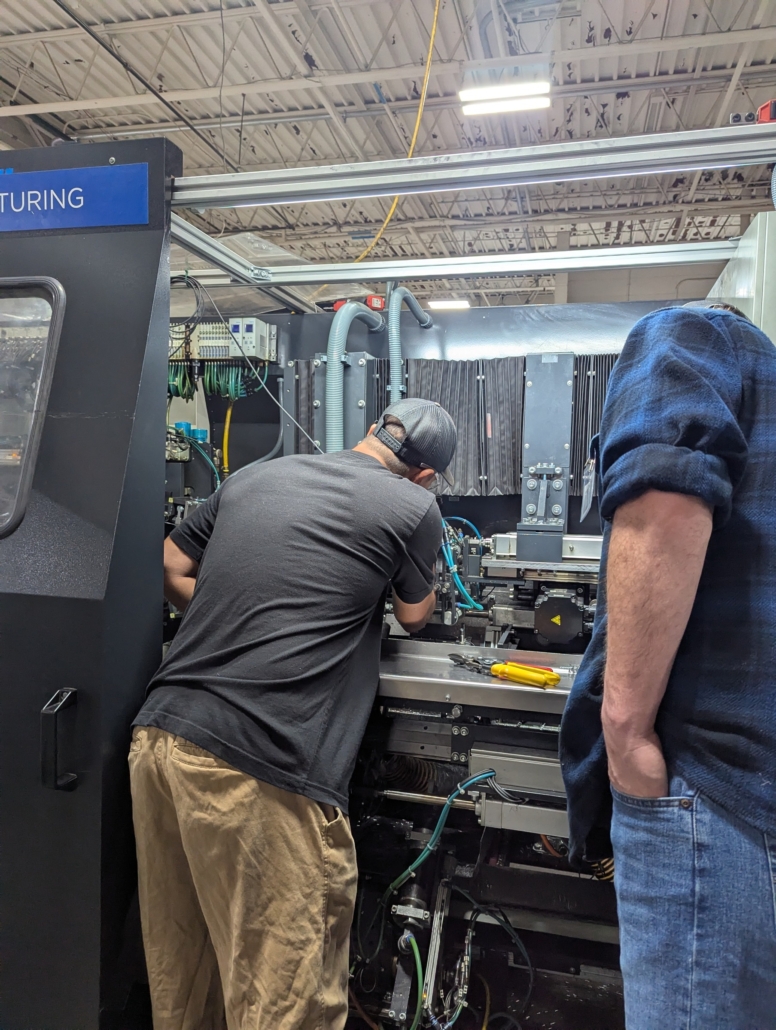
Schaefer Brush is a leading American manufacturer of these brushes. This machine can make 10,000 brushes per shift. The plastic handles with ergonomic finger grooves make the handle ideal for grip and precision in harder to reach areas. This design factor is important because welding brushes need stability and precision for the jobs they are used in.

What different Filament Types are there?

There are 7 different filament types, each serving its own purpose and use in different industries.

  • Aluminum
  • Brass
  • Bronze
  • Carbon Steel
  • Horsehair
  • Nylon
  • Stainless Steel

How do I Match a Filament to a Task?

When selecting a scratch brush filament, consider:

  • Material compatibility (to avoid contamination or damage)
  • Cleaning intensity (light vs. aggressive)
  • Environmental safety (spark risk, corrosion resistance)

Applications of Filaments

Welding brushes are essential tools for surface preparation, cleaning, and finishing in metalworking. The type of filament used in a scratch brush directly affects its performance, durability, and suitability for specific tasks. Here’s a breakdown of common filament types and their best-use scenarios:

  1. Aluminum Wire
    Best for: Lightweight cleaning of non-ferrous metals
    Why use it:
    Softer than steel, reduces surface damage
    Non-magnetic and corrosion-resistant
    Lightweight and easy to handle
    Applications:
    Aircraft and automotive components
    Non-ferrous metal cleaning
    Surface prep without contamination
  2. Brass Wire
    Best for: Gentle cleaning of many metals
    Why use it:
    Softer than steel
    Non-sparking
    Won’t scratch softer metals
    Applications:
    Electrical components
    Soft metal surfaces
  3. Bronze Wire
    Best for: Non-sparking cleaning of soft to medium metals
    Why use it:
    Medium abrasiveness for effective cleaning
    High corrosion resistance
    Conductive but non-magnetic
    Applications:
    Oil & gas equipment cleaning
    Marine surface prep
    Electrical component maintenance
  4. Steel Wire
    Best for: General cleaning of surfaces, light rust and dirt removal, surface preparation
    Why use it:
    Consistent brushing action
    Heat-resistant
    Applications:
    Carbon steel surfaces
    Weld seam cleaning
    Removing paint or rust
  5. Stainless Steel Wire
    Best for: Non-contaminating cleaning on stainless and non-ferrous metals
    Why use it:
    Corrosion-resistant
    Non-reactive with stainless steel
    Maintains surface integrity
    Applications:
    Stainless steel welds
    Aluminum and brass cleaning
    Food-grade and medical equipment prep
  6. Horsehair
    Best for: Dusting, polishing, and fine cleaning
    Why use it:
    Extremely gentle on delicate surfaces
    Non-sparking and non-conductive
    Ideal for organic and sensitive materials
    Applications:
    Glass and wood cleaning
    Soft metal polishing
    Art restoration and optics maintenance
  7. Nylon Filament
    Best for: Light-duty cleaning, polishing, and deburring
    Why use it:
    Flexible and non-abrasive
    Safe for most delicate surfaces
    Applications:
    Plastic and wood surfaces
    Light rust or paint removal
    Surface finishing and prep

Precision for Every Application: Schaefer Brush’s Custom Brush Solutions

For more than a century, Schaefer Brush has built brushes that power industries forward. While our catalog offers hundreds of proven designs, many projects demand something entirely unique. That’s where our custom brush capabilities deliver exceptional value.

Our work in the OEM sector, particularly in the HVAC industry, showcases our ability to design brushes that integrate seamlessly into specialized equipment. Whether the need is a unique diameter for tube cleaning or a brush that’s completely non-sparking, we engineer solutions that others can’t match.

Solving Unique Industry Challenges

Every custom project starts with a problem that can’t be solved off the shelf. Schaefer Brush has partnered with customers to:

  • Design brushes for automated processes that require exact fit and performance.
  • Replace obsolete brushes so customers can maintain legacy equipment without costly redesigns.
  • Experiment with different filament types to identify the optimal material for cleaning or finishing specific surfaces.
  • Improve cleaning efficiency with tailored materials and measurements for targeted results.

Material Expertise You Can Count On

Our supply network is as diverse as the industries we serve. Schaefer Brush can source and work with materials ranging from inconel and food-grade nylons to special animal fibers and high-performance alloys.

We frequently manufacture with:

  • High-temperature filaments for extreme environments.
  • Non-sparking materials for hazardous conditions.
  • Corrosion-resistant metals for long-term durability.

With over a century of experience, our team guides customers toward the best materials for their application, ensuring reliability, performance, and safety.

A Clear Process from Concept to Delivery

Our custom brush process is designed for precision:

  1. Concept & Drawings – For new customers, we require technical drawings to ensure accuracy. Existing customers may access our in-house engineering for design assistance.
  2. Specification Refinement – Collaborating to confirm material choice, filament density, and brush geometry.
  3. Prototype (as needed) – Offered for large-scale or critical applications.
  4. Manufacturing – All work is completed in our Wisconsin facility, ensuring quality control.
  5. Delivery – Typical lead time is 4–6 weeks for design, with final delivery in up to 12 weeks depending on material availability.

Why Customers Choose Schaefer Brush

  • Over 100 years of manufacturing expertise.
  • Made in the USA with full in-house production.
  • Ability to support both small and large production runs.
  • Custom packaging, labeling, and pad printing services.
  • A team that is big enough to handle complex projects yet small enough to prioritize mid-size orders.

When a standard brush won’t work, Schaefer Brush delivers a solution that will. From HVAC OEMs to specialized industrial applications, we bring the experience, materials, and manufacturing capabilities to create brushes that perform exactly as needed.

Schaefer Brush — Custom-Made to Fit Your Challenge.